Ms Bashiratu Kamal, the Lead, Young Feminist Project, has condemned justifications by some sexual offenders that one’s dressing and appearance is a bait for harassment.
She believed that individuals had the right to be clothed in attires they regarded “decent” and appropriate for occasions.
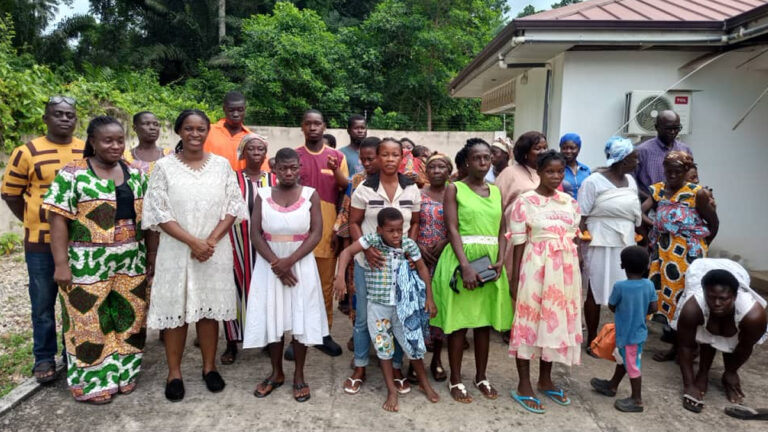
Addressing a session of General Agricultural Workers and students at the Kwame Nkrumah University of Science and Technology (KNUST) at Kumasi, she called for proper closure of cases on sexual harassment, adding that, offenders must never be spared.
The engagement was part of activities of the Young Feminist Project being implemented by the Center for Social Justice, with support from Rosa Luxemburg Foundation.
The project seeks to correct misconceptions about feminism and influence policy change by building capacities of young feminists particularly, those in social media spaces and ultimately achieve gender equity.
Ms Kamal, taking the gathering through forms of violence and harassment, said anyone could experience it regardless of their gender.
She said it was always important to prevent gender-based violence, harassment and other forms of ill-treatment by putting structures and systems.
These could be done through tackling gender inequalities and discrimination, campaign and advocacy, effective policies and complaint procedures as well as perpetrator accountability, she said.
Again, prevention and risk assessments must be done, everyone becoming active in ending gender-based violence and the appropriate authorities providing support for victims and survivors.
Ms Erica Adwoa Yeboah Ajei, Project Coordinator at Center for Social Justice, explained that this year the Young Feminist Project would adopt an interconnected approach that challenged harmful social norms, power and resource imbalances.
It would also work with economic models that devalue and exploited both paid and unpaid labour of women, while exacerbating chronic inequalities based on gender, race ethnicity, class, age, sexual orientation among, others.
She said the above issues fuelled gender inequality and violated women’s bodily integrity and economic rights, stressing that strengthening movements of young women could collectively disband harmful gender-based violence and harmful practices.
Source: GNA
Related Posts