

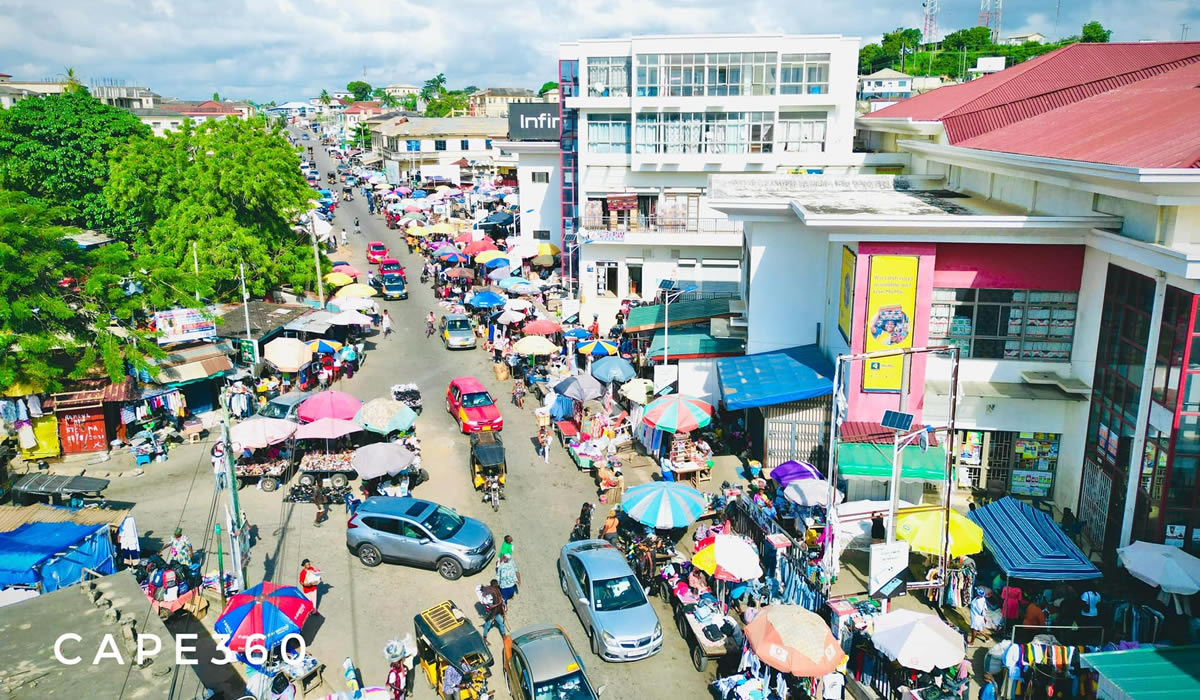
Traders and residents in the Cape Coast Metropolis are looking beyond favourable headline economic indicators as they await the 2027 Budget Statement and Economic Policy, to be presented to Parliament on Thursday, November 12, by the Minister of Finance, Dr Cassiel Ato Forson.
For many in the bustling markets, workshops and trading centres of the historic coastal city, national growth figures will only matter when they translate into affordable goods, stronger customer purchasing power, access to affordable credit, peace and political stability.
From sellers at Kotokuraba market to artisans, transport operators and small-scale food processors, the expectation is clear: The budget must convert recent macroeconomic stability into lower operating costs, improved sales and practical support for small businesses.”
They say rising transport, utility and input costs continue to squeeze margins, even as consumers become more cautious with spending, leaving many traders to balance survival with the hope of expansion.
The traders’ concerns come as the Government prepares to outline its next phase of economic policy, moving from stabilisation to the “New Economy” agenda.
Dr Forson has said the 2027 Budget would show how Ghana’s recovery could be turned into decent jobs for young people, better incomes for farmers and opportunities for businesses to grow and employ more people.
But speaking to the Ghana News Agency ((GNA) ahead of the budget presentation at Kotokuraba Market, Madam Efua Mensah, a vegetable seller, said rising transport and packaging cost continued to squeeze her margins.
She expected the budget to prioritise improved market infrastructure, reliable storage facilities and support that would reduce post-harvest losses.
“We hear that the economy is improving, but the trader loses when tomatoes for instance spoil due to lack of proper storage, facilities. The budget should help us with better market facilities and make food cheaper for customers,” she noted.
Madam Abena Nyarko, who sells second-hand clothing, popularly known as ‘obroni wawu,’ said her main concern was the cost of importing goods and the weakness of customer demand.
She appealed for policies that would sustain stability of the currency, reduce duties and charges on small-scale importers and create a fairer tax regime for market traders.
“We are not asking for free money. We want a system where we can plan, pay our taxes without fear and still make profit,” she said.
Madam Mary Aidoo, a fishmonger at Bakaano, said fishermen and fish traders needed practical interventions, including support for cold-chain storage, outboard motors, fishing inputs and access to affordable credit.
She said the budget should recognise the link between the fishing value chain in coastal communities and food security as a whole.
“If government supports fishermen, it will also support those of us who sell the fish,” Madam Aidoo said, adding: “When there is fish, prices come down and families can eat well.”
Madam Akosua Boateng, a food vendor who prepares kenkey, fried fish and pepper sauce at London Bridge said she hopes the budget would address the cost of cooking gas, flour, oil and other inputs.
She said many customers had reduced the quantity of food they bought, making it difficult for small food businesses to grow.
“People still buy, but they buy smaller quantities. If the budget can bring down the cost of living, our businesses will also improve,” she said.
Mr Yaw Ofori, who operates a mobile-money and phone-accessories business at Tantri said young people needed more than promises of jobs.
He called for grants, low-interest loans, digital-skills training and support for youth-led enterprises.
“The budget talks about jobs, but young people need capital and skills to start something,” he said, noting: “If they support small businesses, many of us can employ others.”
Beyond traders, some residents said they expected increased investment in health, education, sanitation, roads and drainage systems.
They also urged government to protect vulnerable households from any new taxes or levies that could raise the cost of essential goods and services.
Source: GNA
Related Posts