

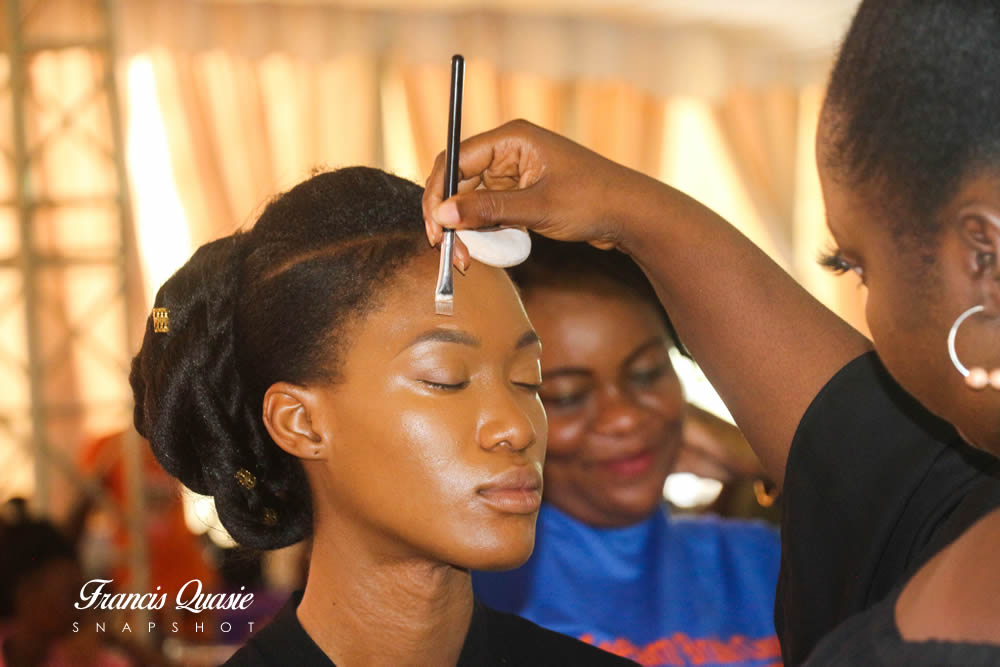
A fresh complexion, less visible fine lines and a luminous look: discover the right makeup techniques that prioritize hydration and lightness.
Over time, skin can become thinner, drier, and less even. Makeup doesn’t create wrinkles, but a heavy or powdery texture can make them more visible. For successful
anti-wrinkle makeup , the principle is simple: create a sheer complexion, add hydration, and highlight in the right places.
The goal is not to conceal everything. A vibrant, supple, and luminous complexion is often far more flattering than a perfectly matte and heavy finish.
Prepare the skin to prevent makeup from settling into fine lines.
Preparing the skin really changes how makeup looks . On dehydrated skin, foundation and concealer tend to cling, especially around the eyes, the sides of the nose and the mouth.
Start with a gentle cleanse, then apply a hydrating serum and a cream suited to your skin. The eye area deserves special attention: apply a small amount of product and let it absorb for a few minutes before applying makeup. Avoid layering, as this can cause the products to pill.
A hydrating primer can be helpful if your skin feels uncomfortable or if your makeup doesn’t last throughout the day. Choose a lightweight one and apply it primarily to areas where your complexion tends to show signs of aging.
Choose a light foundation rather than full coverage
For makeup on mature skin or skin marked by fine lines, it’s best to opt for a fluid and buildable formula. A BB cream, CC cream, tinted serum, or foundation with a natural finish will even out the complexion without creating a mask-like effect.
Apply a small amount to the center of your face, then blend it outwards with a brush, damp sponge, or your fingers. Add a little more product only to areas of redness or blemishes that require it. This method avoids heavy application, which is often responsible for uneven skin tone.
Concealer should also be used sparingly. A touch in the hollow of the under-eye area or in the inner corner of the eye is often enough to brighten the eyes. Too much product under the eyes can quickly settle into the skin’s natural creases.
Should you use powder if you have wrinkles?
Yes, but only locally. Powder can set makeup and reduce shine, provided you don’t apply it everywhere. Use very little product and target the T-zone if it tends to be shiny.
Avoid applying it liberally under the eyes or around the mouth, two areas where fine lines are common. A very fine loose powder, applied with a soft brush, generally provides a more natural result than a pressed powder applied in a thick layer.
Colors and textures that bring freshness
The choice of shades depends primarily on your skin tone and your makeup habits, but fresh and luminous shades are often easy to wear. A soft pink, peach, or rosewood blush instantly adds definition to the cheeks. Apply it slightly towards the top of the cheekbone rather than in the center of the face.
For the eyes, satin or subtly shimmery eyeshadows can open up the gaze when applied lightly. Highly glittery textures, on the other hand, can draw attention to the creases of the eyelid. A smudged line of eyeliner close to the lash line often creates a softer look than a sharp, graphic black line.
On the lips, a tinted balm, a creamy lipstick, or a subtle gloss provides comfort and radiance. If the lip contour is less defined, a lip pencil close to the natural lip color helps to define the mouth without making it look harsh.
The key steps to remember for makeup that doesn’t accentuate wrinkles.
Hydrate, apply a light touch, and correct only where necessary: this routine allows for a more supple and flattering makeup look. Check your complexion in natural daylight before going out. If an area appears heavy, simply remove the excess with a clean sponge or your finger, without adding more product. Luminous makeup doesn’t aim to erase the face. It complements its contours, highlights the eyes, and allows the skin to breathe.
Source: culturefemme.com
Related Posts