
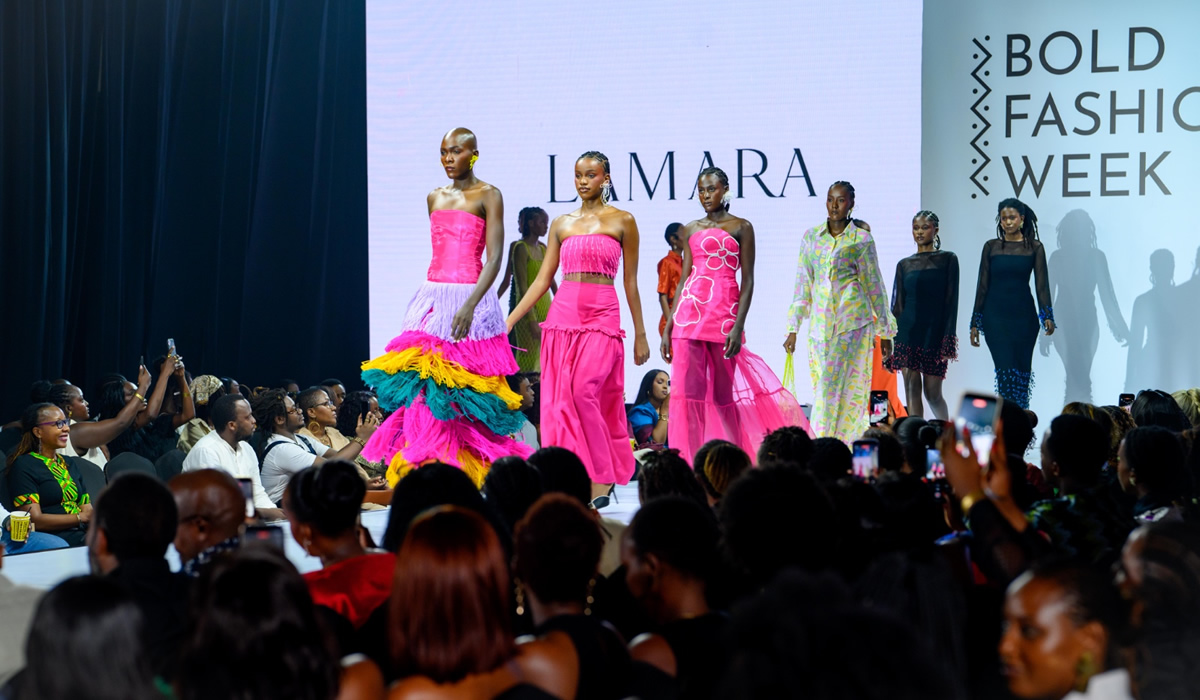
When it comes to fashion shows in the non-fashion capitals—outside Milan, London, Paris and New York—many countries still have a long way to go. And considering the political and economic climate across Africa, it is fair to say that African countries face an even greater challenge. However, this should not be confused with the idea that showcasing in the West will automatically produce better results than showcasing in your home country. In fact, the opposite can often be true, and many designers learn this the hard way.
There is a much deeper understanding of fashion weeks in the major fashion capitals. These events are connected to an entire ecosystem of trends, production, manufacturing, buyers, branding, marketing, celebrities, fabric suppliers and much more. Together, these elements turn fashion week into a huge commercial engine, where individual designers orchestrate their own shows while contributing to an industry that generates significant business, publicity and employment.
This is somewhat different in non-fashion capitals and, for the purpose of this article, particularly in many African countries, where buyers and mass production are often largely excluded from the equation. In many cases, the most that is provided to designers is promotion, imagery, media exposure, potential clients and, at times, valuable branding opportunities at an extraordinarily affordable cost, particularly when a large number of designers are showcasing on the same platform.
However, this spoon-feeding—where organisers provide the stage, models, media coverage and more for designers—can also create a culture of dependency. Instead of taking complete responsibility for their brands, some designers become accustomed to expecting even more from the organisation, including the assumption that the organisers should somehow be responsible for generating their sales and handling other commercial aspects of their business.
After facing this dissatisfaction, many designers conclude that travelling to showcase in Paris, Milan, London or New York during fashion week will somehow bridge the gap between where they are and where they want to be. Unfortunately, this is where many end up failing.
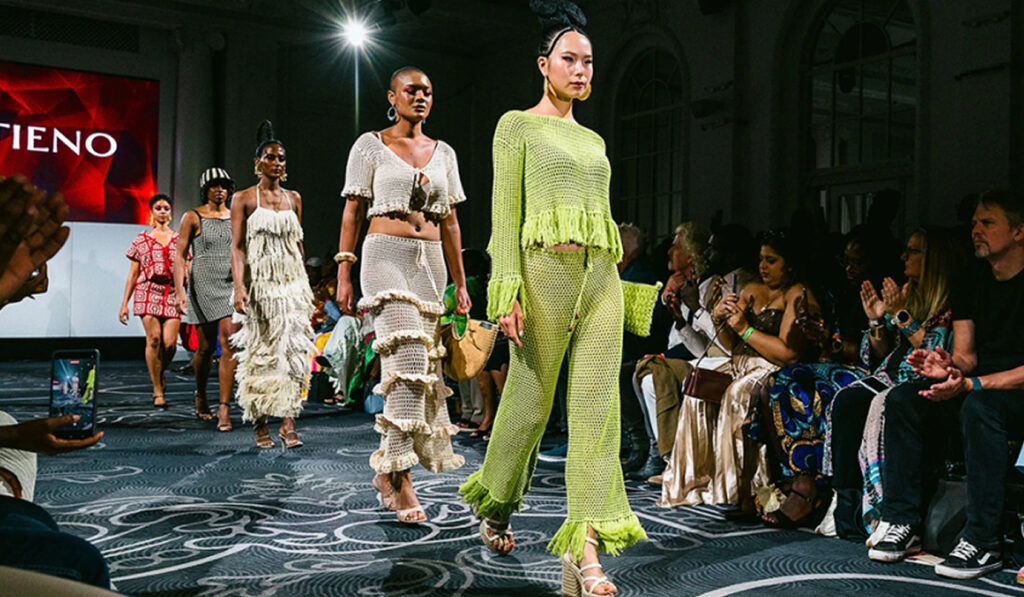
The truth is that, in most cases, the committees, companies or organisations behind the major fashion weeks are not the actual organisers of every individual show. Their role is largely to organise the schedule of events taking place throughout fashion week, including shows independently produced by the designers themselves.
They provide a schedule that helps tourists, industry executives, major media houses, buyers and other relevant participants know what is happening, where it is happening and when they should be there. Their responsibility is to ensure that the bigger picture—business, tourism, publicity and the overall fashion-week ecosystem—is executed.
It is not their job to count models on the runway, usher guests into seats or manage every operational detail of an individual designer’s show. This is precisely why different designers can have completely different settings, venues and production experiences during the same fashion week.
Yes, explaining this is almost a no-brainer to many people in the West. But in Africa, where fashion-week structures can operate very differently, understanding this distinction can be fairly foreign.
SCAM SHOWS OR OPPORTUNISTS?
Most African designers who showcase in the West usually do so after responding to email invitations to participate in platforms hosting several designers. It may not be entirely fair to call these organisations scams, but it is fair to acknowledge that some prey on the desperation and naivety of African designers seeking mainstream international success.
Many of these shows are not affiliated with the actual fashion weeks. They may use names such as “London City Fashion Week” or “Paris Designer Fashion Week” and similar titles, while not appearing on the official main schedule—or even the recognised OFF schedule—of the actual fashion week.
In person, these organisations may suggest that they are affiliated with the fashion week. But when it comes to written confirmation and official listings, the reality can be very different.
These organisations can promise African designers the glamour and exposure associated with mainstream fashion weeks, while attaching substantial costs to the opportunity. The designer pays, travels to the Western country and eventually showcases.
It is often only after the money has been paid and the show has taken place that the reality sets in. The once-friendly marketer may suddenly become much less accessible, and the designer realises that they have gained little beyond a holiday and a showcase that does not necessarily contribute to the progression of their brand.
There are no buyers. No mainstream media. No meaningful industry connections. And often, the designer is not officially recognised as part of the main fashion week at all, except for the fact that they organised or participated in a show taking place during the same period.
Even from a branding perspective, the situation can be problematic. The designer may have little or no established presence in that country, may not have the necessary press relationships and may disappear from the market immediately after the showcase. Their international appearance therefore becomes an isolated event rather than part of a sustained brand-building strategy.
It is at this very moment that many designers realise something important: the provision of buyers, major media houses, celebrity guests and other industry opportunities was never the responsibility of the fashion-week organisers in the first place. Nor does that responsibility suddenly change simply because the designer has travelled to another country.
These are responsibilities that ultimately belong to the designer and the brand.
A fashion-show organiser cannot realistically take responsibility for providing clients, let alone buyers, for a brand when they may have no knowledge of the designer’s complete collection, pricing structure, production capacity, marketing strategy or commercial plans. Those relationships and opportunities must be developed by the designer.
And when absolutely none of these opportunities are provided, showcasing DURING London, Milan, Paris or New York Fashion Week can sometimes be even less valuable than showcasing in the designer’s home country.
BETTER OFF AT HOME
At least in their home country, designers can continue the promotion and branding after their showcase. They can allocate more of their budget towards production, marketing and customer engagement instead of spending heavily on flights, accommodation and other travel expenses.
They can meet potential clients, follow up with them and have more time to turn those relationships into actual sales. And when all is said and done, they could even invest part of the money they would have spent travelling into influencers, media and marketing campaigns in those same Western capitals, potentially building a stronger international presence than a single, expensive and relatively unknown showcase could provide.
Showcasing abroad is not a flash activity that automatically produces results. It is an event that should come after a large number of preparatory activities and should be followed by even more strategic action in order to achieve serious commercial results.
In many cases, the very same actions required to make an international showcase successful could have been applied while showcasing locally—and may have produced even better results. Truth of the matter is simply, obtaining success on being on a mainstream fashion week is not a lottery ticket that works once the models walk on the runway. Its still the same process of seeking buyers, doing heavily independent marketing, and branding that will create a legacy for your brand. The same amount of work you would need to do, on the fashion shows in your country that will cost you much less. In fact if you are capable of doing the same amount of work in your hometown, its very likely the buyers can reach out to you across seas.
Source: fashionghana.com
Related Posts