65% of adult Ghanaians cannot afford healthy diets

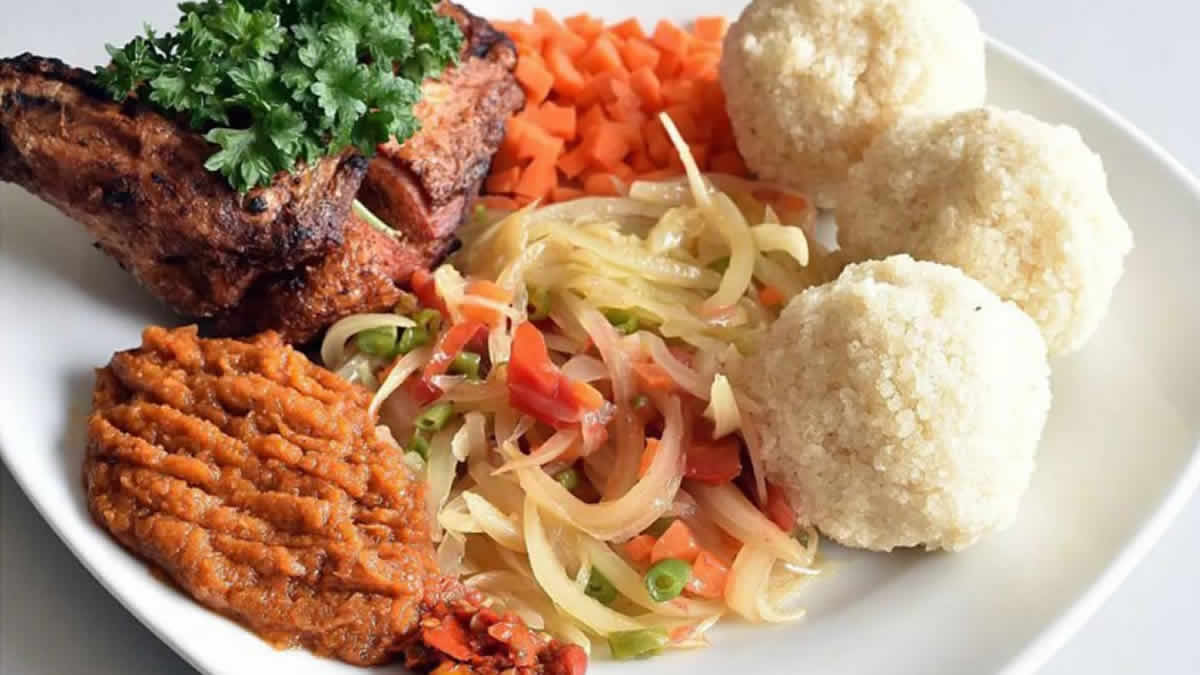
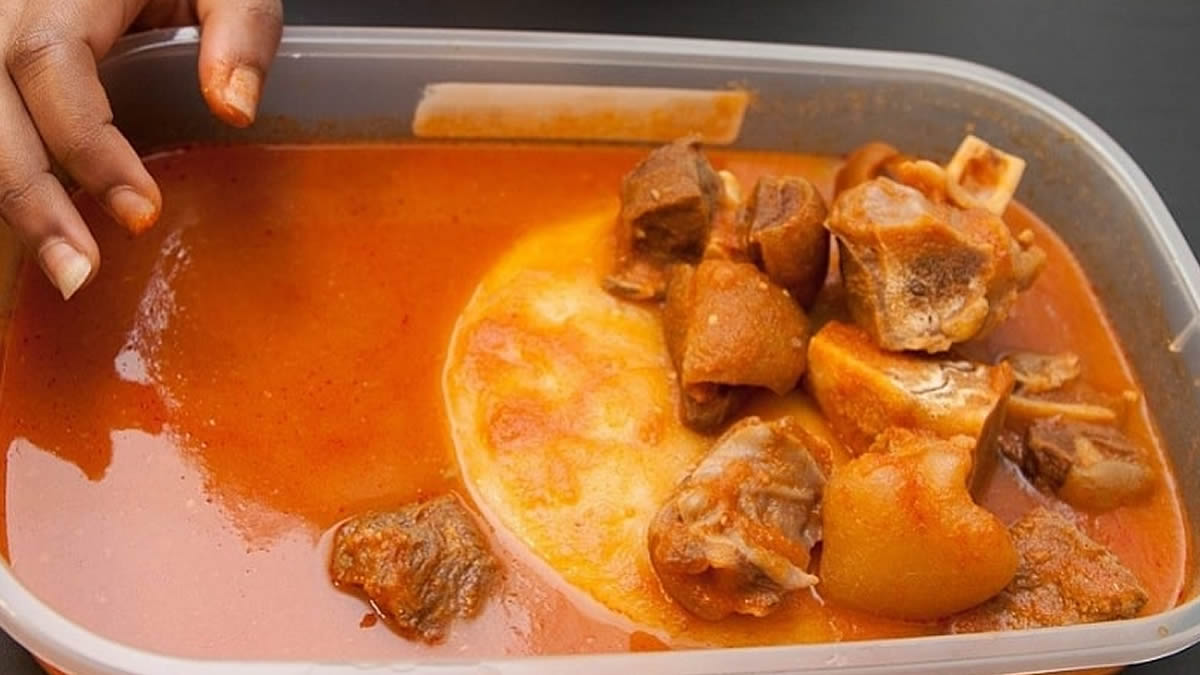
Up to 65 per cent of adult Ghanaians are unable to afford a healthy diet daily. The recommended healthy diets consist of half a plate of vegetables and fruit, a quarter of a plate of carbohydrates, and another quarter of protein. Prof. Anna

Food system experts urge public to make right decisions on food

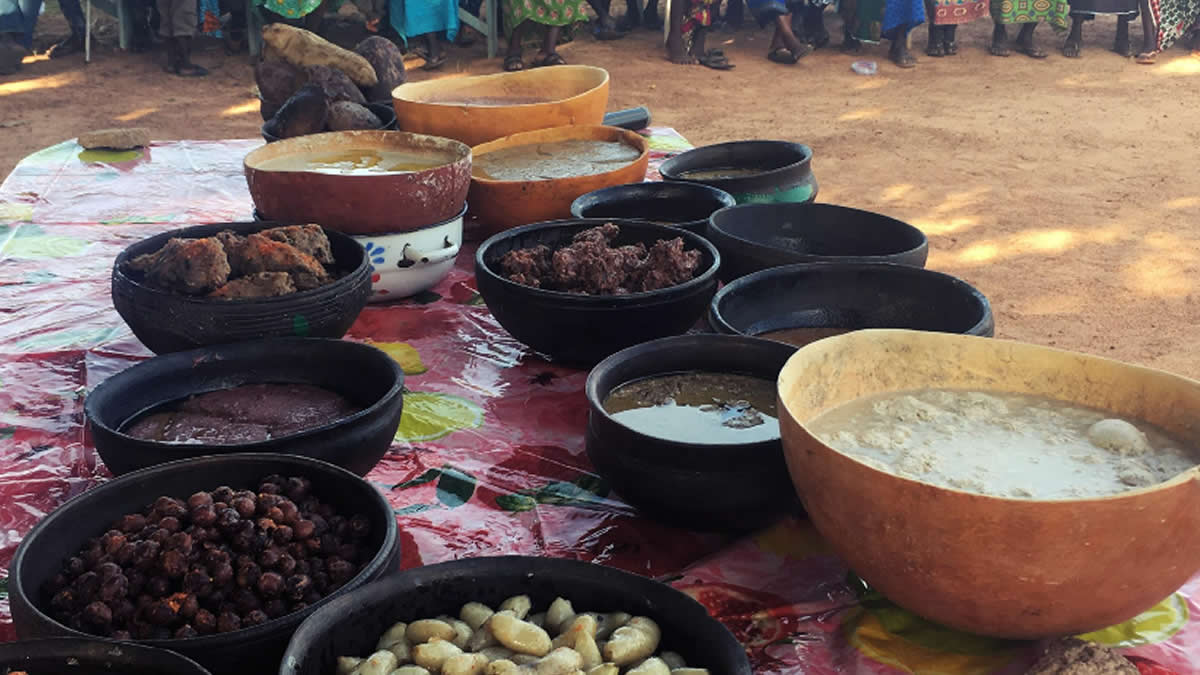
A one-day sensitization workshop on Food Systems entitled “Beyond The Dialogue” has ended in Accra with advice to the public to take charge of their health and make the right decisions on what to eat.  The workshop was on the theme, “Tracking Ghana’s Commitment to Transform its Food Systems” and organized by coordinators of “Beyond The Dialogue Project,” a three-year initiative being funded by the Canadian government.  The

Illegal mining threatens gari and palm oil – the soul of Ghana’s ‘Gobɛ’

A study by the Environmental Protection Agency (EPA) and Pure Earth has revealed alarming levels of mercury, arsenic, lead, and other toxic metals in areas of Ghana affected by illegal small-scale gold mining, otherwise known as “galamsey”. The research, which covered the Ashanti,

World Food Day: Food vendors urged to prioritise proper food packaging, safety

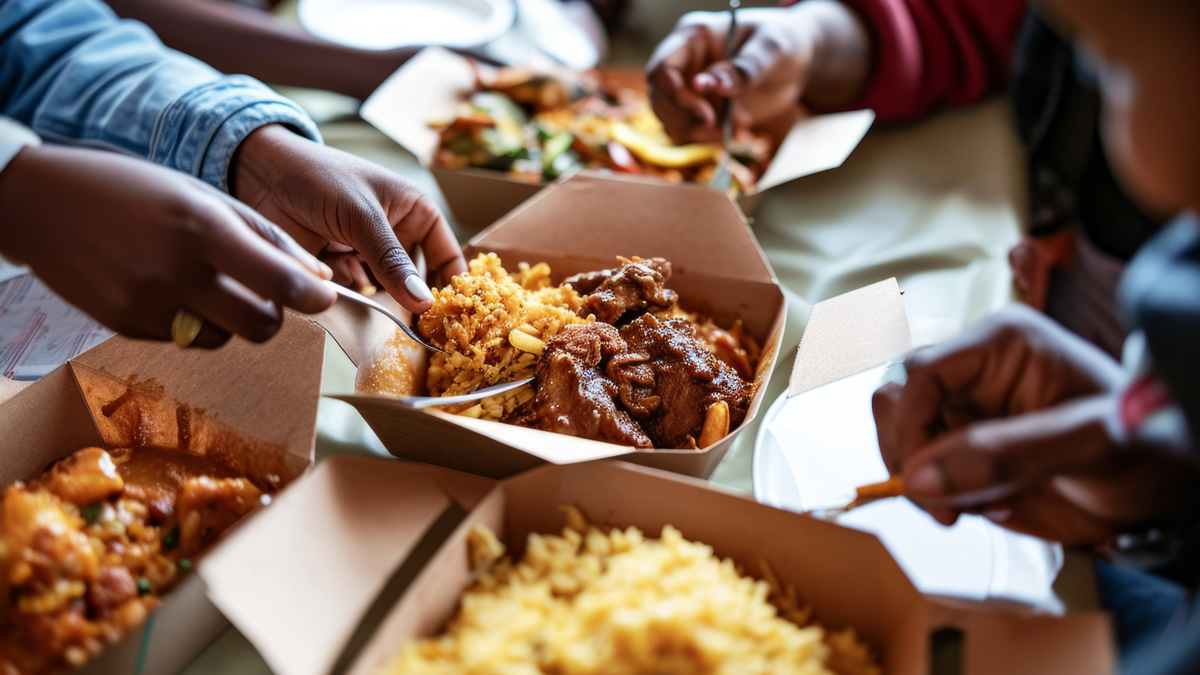
Food vendors such as waakye, kenkey, spaghetti, drink sellers among others in Keta Municipality of the Volta Region have been urged to prioritise proper food safety and packaging.  The call-to-action emphasis the importance of ensuring that food is handled, stored, and served in a safe and hygienic manner to prevent foodborne illnesses

Ghana ranks lowest in fruit, vegetable consumption in Africa

Less than five per cent of adult Ghanaians consume adequate amounts of fruits and vegetables, a study has revealed. The World Health Organisation (WHO) recommends at least 400 grammes of fruits and vegetables per person daily, but the required amount also depends on

‘Dzomi’: The cross-border complement of meals for human survival

Among the many natural resources that sustain human life, palm oil stands out as one of the most essential providers of nutrients.  Revered for its versatility and nutritional value, it plays a vital role in the survival and well-being of communities across Ghana

Ghana’s food waste crisis: A silent threat to hunger and climate change

At a bustling wedding in one of Accra’s affluent suburbs, Chef Kwame Adu watches as plates of uneaten jollof rice, grilled tilapia, and half-eaten banku are cleared from tables, destined for the rubbish bins.  Chef Adu lamented, “This food could feed families.” His

Ghana throws away GH¢762.32bn in food annually – Waste higher than global average

Ghana wastes 3.2 million metric tonnes of food equivalent to GH¢762.32 billion annually, higher than the global average. The country’s per capita food waste in 2024 was 84 kg, higher than the global average of 74 kilogramme (kg), according to the United Nations

Intake of ‘Gobe’, others can prevent heart diseases – Nutritionists

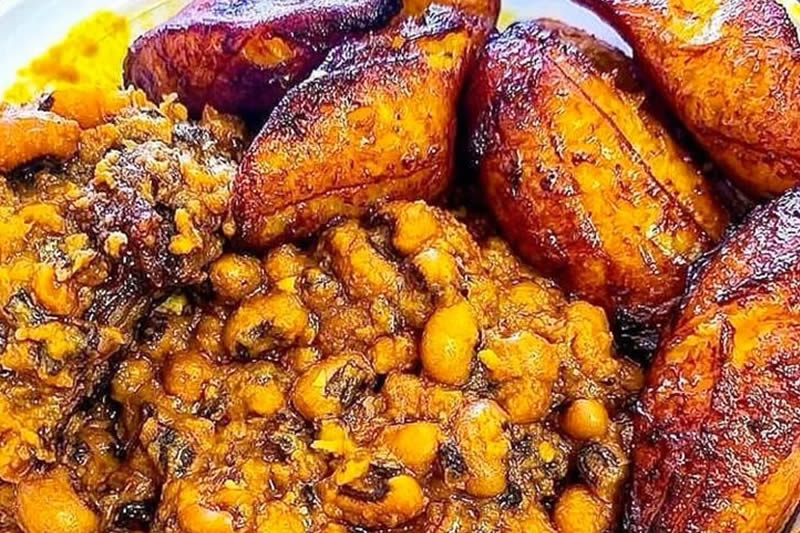
Nutritionists have advised Ghanaians to eat more beans-based meals, including the popular local dish, gari and beans, also known as ‘Gobe’ to prevent heart diseases. They said incidences of obesity and cancer could be minimised with the regular intake of beans meals. At

More than 2.8 billion people world-wide unable to afford healthy diet – ActionAid Ghana

More than 2.8 billion people around the globe are unable to afford healthy diets, thereby contributing to high malnutrition, obesity and micro-nutrients, ActionAid Ghana (AAG), a Non-governmental organization has said. Mr Kwame Afram Denkyira, the Bono and Ahafo Regional Programmes Manager, AAG, who