

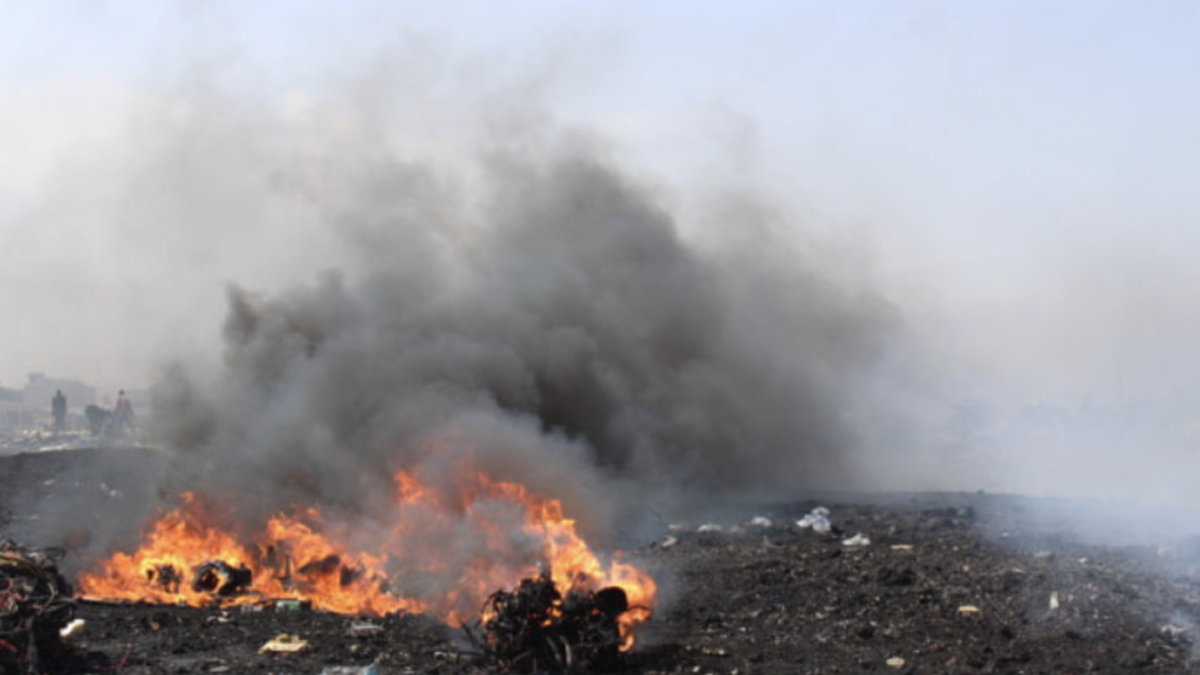
A new report by the Global Alliance for Incinerator Alternatives (GAIA) has raised concerns over the increasing investment in Waste-to-Energy (WTE) incineration projects across Africa, warning that the technology could worsen the Continent’s environmental and economic challenges.
The report revealed that several African countries were turning to waste incineration as a solution to their growing waste management challenges, despite concerns about its effectiveness, sustainability and long-term environmental implications.
Launched on Thursday, the report identified 15 waste-to-energy incineration projects and proposals across ten African countries, including an operational facility in Ethiopia and several projects at various stages of feasibility studies, negotiations and implementation.
According to the report, the projects represented an estimated cumulative capital expenditure exceeding US$4 billion, resources which could have been invested in sustainable, locally driven waste management solutions.
It questioned the continued endorsement of waste-to-energy incineration by African governments, describing the technology as an expensive and potentially harmful approach to addressing the Continent’s waste crisis.
Mr Weyinmi Okotie, Africa Clean Air Manager at GAIA, urged African governments to prioritise sustainable waste management systems rather than technologies that could create long-term environmental and financial burdens.
“African governments need to focus on long-term trusted zero waste systems in managing their waste crisis, not ‘silver bullet’ technologies that end up creating generational environmental and economic problems,” he said.
The report explained that municipal waste generated across Africa was predominantly organic, with high moisture content and low calorific value, making it more suitable for composting than incineration.
It noted that the composition of waste on the continent raised questions about the suitability and efficiency of incineration technologies, particularly in countries struggling with inadequate waste collection and segregation systems.
The report also referenced findings by the United Nations Environment Programme (UNEP) which warned that incineration was a more expensive option for waste management and energy generation in low- and middle-income countries.
It cautioned that continued investment in such facilities could divert limited public resources from more effective waste management interventions while creating additional environmental and economic challenges.
As an alternative, GAIA called on African governments to adopt zero-waste approaches that prioritised waste reduction, reuse, recycling and composting.
The report recommended increased investment in material recovery facilities, the separation of waste at source and the strengthening of Extended Producer Responsibility (EPR) systems to ensure that producers took greater responsibility for managing waste generated from their products.
It further emphasised the need for policies and investments that supported locally appropriate and environmentally sustainable waste management practices.
GAIA maintained that prioritising these measures would provide a more sustainable pathway for African countries to address their growing waste management challenges while protecting public health, the environment and public resources.
Source: GNA
Related Posts