

Ghana has confirmed three cases of yellow fever in the Upper West Region, with all three resulting in deaths, the Minister of Health, Mr Kwabena Mintah Akandoh, has announced.
The confirmation follows laboratory tests conducted on samples from suspected cases at the Institut Pasteur, a World Health Organisation (WHO)-accredited laboratory in Dakar, Senegal.
The Minister, addressing a press conference in Accra on Friday, said the cases were confirmed out of 450 suspected cases.
He said the Ghana Health Service (GHS) would begin a mass vaccination campaign in the affected region next week to contain the outbreak.
The campaign would target people aged nine months to 60 years.
Mr Akandoh advised that yellow fever was not transmitted through direct person-to-person contact and urged the public to remain calm while observing the necessary preventive measures.
The Ministry of Health, in collaboration with the GHS and the WHO, has declared an outbreak in the affected districts of the Upper West Region following the laboratory confirmation.
The response includes measures to contain the outbreak and protect communities at risk.
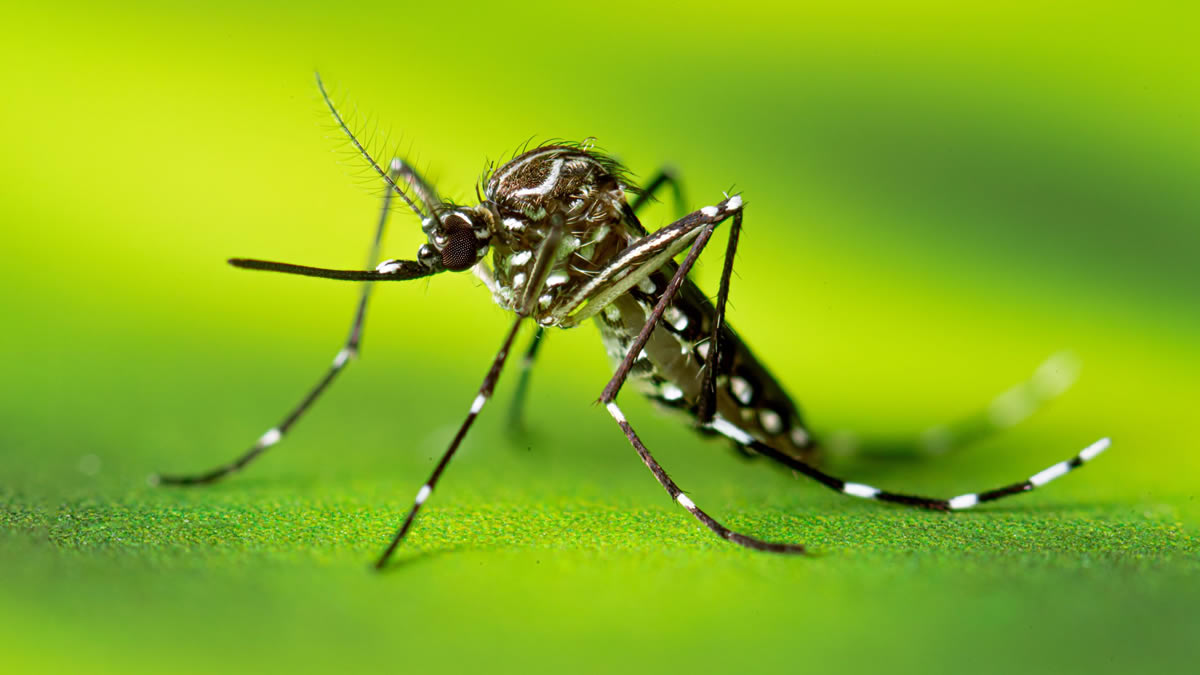
The WHO describes yellow fever as an acute viral disease transmitted through the bites of infected mosquitoes.
It occurs mainly in tropical areas of Africa and South America and can cause outbreaks, particularly, in populations with low vaccination coverage.
The disease has an incubation period of three to six days.
Its initial symptoms include fever, headache, muscle pain, backache, nausea, vomiting and weakness.
These symptoms often subside within three to four days.
However, about 15 per cent of infected people develop a severe form of the disease, which may involve the return of high fever, yellowing of the skin and eyes (jaundice), bleeding, kidney and liver damage, and other serious complications.
The WHO says there is no specific antiviral treatment for yellow fever.
Medical care focuses on managing symptoms and complications, with early supportive treatment improving the chances of survival.
Vaccination remains the most effective means of prevention.
A single dose provides lifelong protection for most people and is central to controlling outbreaks.
The WHO also recommends measures to reduce exposure to infected mosquitoes, including eliminating stagnant water where mosquitoes breed, covering water storage containers, wearing protective clothing and using mosquito repellents.
People who develop fever or other symptoms associated with yellow fever must seek prompt medical attention.
They should also inform health professionals of their symptoms and possible exposure, it encourages.
Source: GNA
Related Posts