

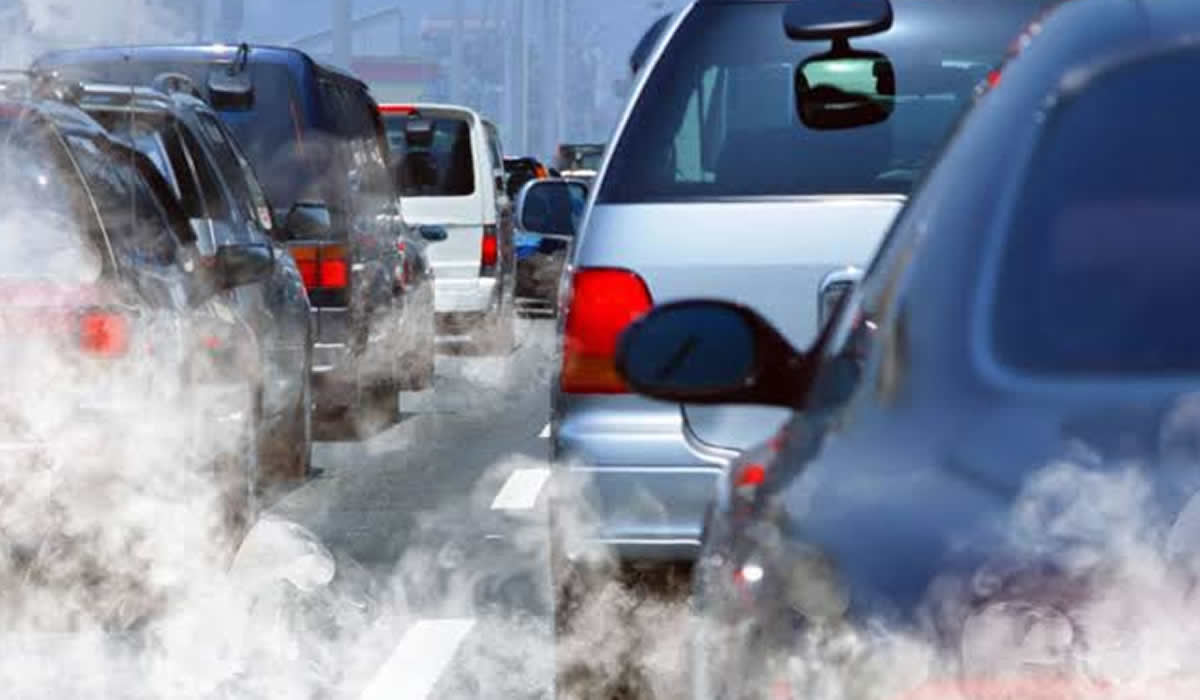
Private cars and sport utility vehicles (SUVs) dominate traffic on major roads in parts of Ghana, contributing to congestion, inefficient road use and transport-related air pollution, a study has found.
Professor William Ackaah, Deputy Director of the Building and Road Research Institute (BRRI) of the Council for Scientific and Industrial Research (CSIR), who led the research, said the findings highlighted the need for more sustainable transport planning and stronger measures to control vehicle emissions.
The study covered selected locations across 25 Metropolitan, Municipal and District Assemblies (MMDAs), using traffic surveys and air quality monitoring to establish the relationship between vehicle movements and pollution levels.
He was speaking at a clean air boot camp organised by Clean Air Fund for local government leaders, including Metropolitan, Municipal and District Chief Executives, Coordinating Directors and Presiding Members.
Professor Ackaah said the research team used Google Maps to identify major road junctions with high traffic volumes before conducting physical assessments and vehicle counts at selected locations.
The team classified vehicles according to their types and assessed their contribution to traffic congestion and air pollution.
The findings showed that private cars and SUVs constituted a significant proportion of vehicles using the roads, although they generally carried fewer passengers than some forms of public transport.
This, he said, raised concerns about the efficient use of available road space and the need to promote public transport and other sustainable mobility options.
The researchers also measured air pollutants, including particulate matter, using specialised monitoring equipment, while taking into account weather conditions such as wind speed and direction.
Professor Ackaah said pollution levels varied across locations, depending on traffic volumes, vehicle composition, road conditions and prevailing weather patterns.
The study further found that pollution from busy road junctions could travel beyond the immediate roadside, with its effects detected more than 200 metres away in some locations.
He said the findings demonstrated that communities located close to major roads could be exposed to traffic-related pollution, making it necessary for local authorities to incorporate air quality considerations into urban planning and infrastructure development.
The research also assessed vehicle emissions against recommended standards to establish the extent to which different vehicle categories complied with acceptable emission limits.
Professor Ackaah said the findings would inform the development of policy briefs to guide assemblies and other relevant stakeholders in implementing measures to reduce vehicle emissions and improve air quality.
He said the evidence would also support targeted interventions, including improved vehicle maintenance, better traffic management and more sustainable transport systems.
Source: GNA
Related Posts