The AfroFuture Festival Journey: A Powerful Gathering of Music and Culture for the Diaspora

The AfroFuture journey began in 2017, when the festival was launched under its original name, Afrochella, with the aim of showcasing Africa’s rich cultural diversity, creativity, and the contributions of talents from the continent and the diaspora. Through music, fashion, cuisine, art, and immersive festival experiences, Afrochella set out to tell a new African story. The inaugural edition was held at the Accra Polo Club, marking the beginning of what would become a global cultural movement.
The 2nd edition of Afrochella took place on December 29, 2018, at the El-Wak Sports Stadium in Accra, signaling the festival’s growing scale and popularity.
I joined the coverage of the festival in 2019, a landmark year that coincided with the 400th anniversary of the beginning of the transatlantic slave trade in West Africa. That year was declared the “Year of Return” by Ghana’s former president, Nana Addo Dankwa Akufo-Addo, calling on descendants of enslaved Africans to return to the motherland to reconnect with their ancestral roots.
The 2019 edition, which marked the 3rd edition of the festival, was deeply symbolic. In celebration of the Year of Return, it was inspiring to witness thousands of diasporans travel to Ghana to explore African culture and trace their heritage. The festival, once again held at El-Wak Sports Stadium, was a vibrant display of unity and reconnection.
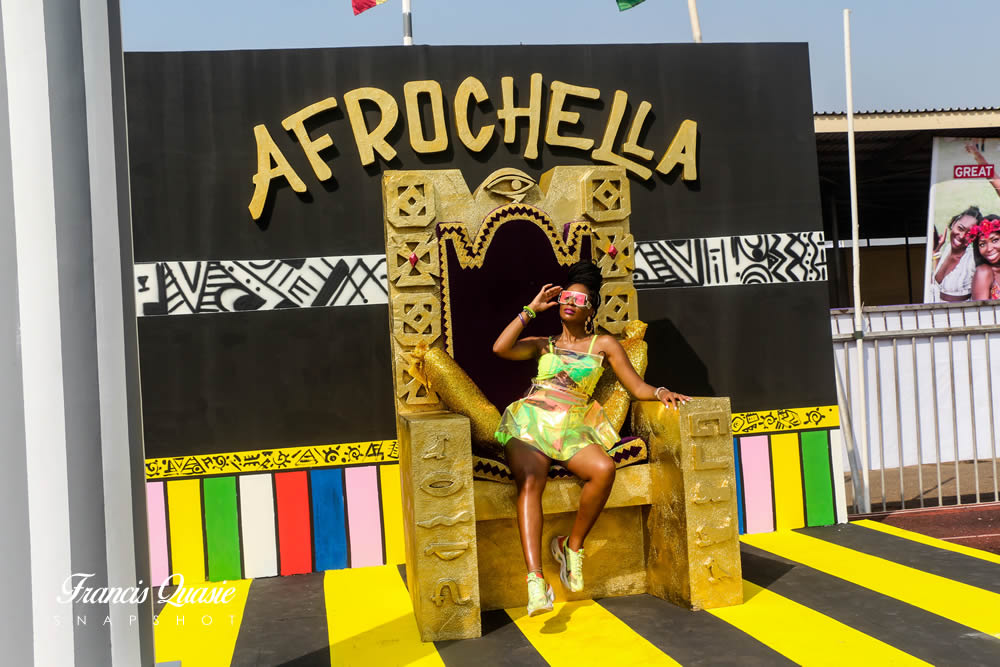
The theme was “Diaspora Calling” was designed to celebrate how African cultures have spread across the world while remaining rooted in heritage, and it tied directly into Ghana’s Year of Return initiative, encouraging people of the African diaspora to reconnect with their ancestral roots.
The art installations, African cuisine, fashion, and traditional wear stood out remarkably. One installation that particularly caught my attention was the “Golden Throne,” created by artist Godwin Ashong (Ganyodindin). Attendees patiently queued for the opportunity to sit on the throne and capture a photograph, making it one of the most memorable highlights of that year.
In 2020, the festival went silent due to the global COVID-19 pandemic, which brought the world to a halt.
Afrochella made a strong comeback in 2021 with the theme “Made in Africa.” This edition focused on promoting Africa’s homegrown talent across music, art, fashion, and food, while encouraging Africans and diasporans alike to appreciate, support, and patronize African-made products.
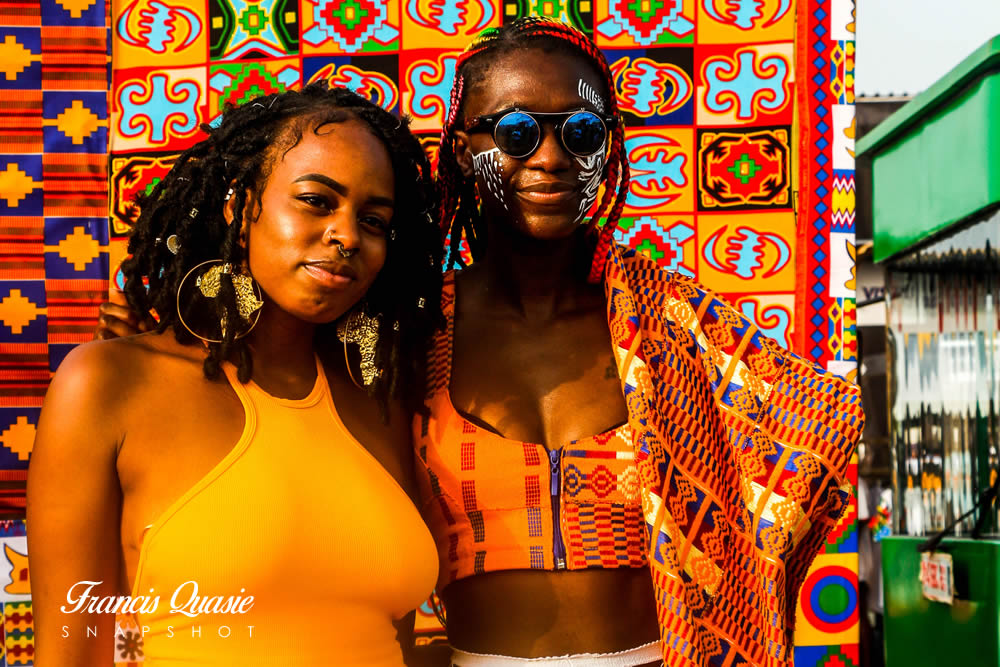
Each year, the festival has continued to grow, attracting an increasing number of visitors from the diaspora and significantly boosting Ghana’s tourism and creative economy.
In 2022, Afrochella returned with the theme “AfroFuturism,” a concept that reflected on Africa’s past, explored its future, and created a progressive vision for the present African and diaspora experience. Afrofuturism came alive through bold fashion, music, food, live painting, and dynamic performances from across the continent.

Thousands of revelers traveled to Ghana for the two-day celebration, solidifying Afrochella’s status as the premier festive event during Ghana’s Christmas season. The 2022 lineup featured major artists such as Burna Boy, Shatta Wale, KiDi, Asake, Medikal, Kwesi Arthur, Gyakie, Kofi Kinaata, Tinny, Praye, and many others.
Following the 2022 edition, the festival officially rebranded from Afrochella to AfroFuture. The organisers announced the name change in January 2023, confirming that the festival would return under its new identity.
The 2023 edition, now fully embraced as AfroFuture, carried the theme “Black Unification & Pan-Africanism.” The focus was on honoring Black pioneers across the global diaspora and highlighting their contributions to culture, innovation, and shared experiences. Food vendors, clothing brands showcasing Made-in-Ghana products, and striking art installations filled the festival grounds. Interviews with diasporans revealed deep excitement and appreciation for Ghana as a cultural home.

In 2024, AfroFuture introduced a major shift by changing its venue to Accra Polo Beach. The theme, “AfroFuture Culture Beach Jam,” offered revelers a unique beachfront experience, blending music and culture with the serenity of the ocean. This marked the festival’s first beachfront setting, creating a fresh and vibrant atmosphere that attracted diasporans from across the globe to experience Detty December in a new way.
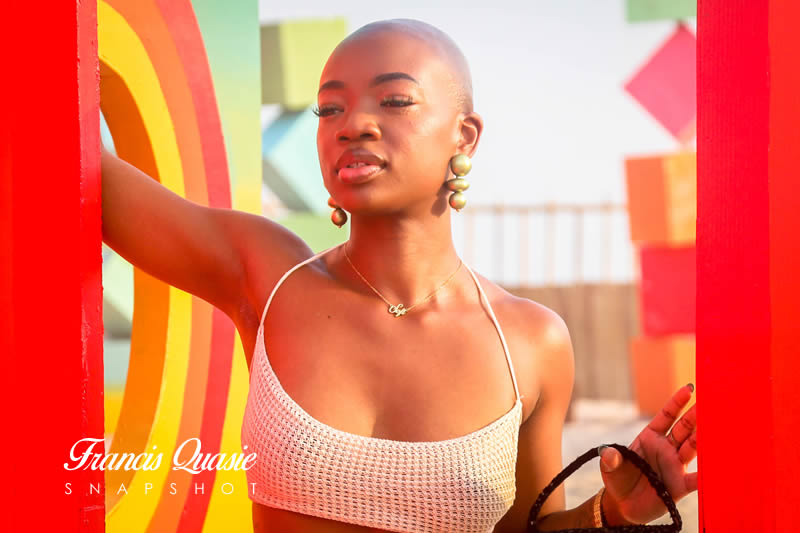
For the 2025 edition, AfroFuture returned to El-Wak Stadium with the theme “African Nostalgia.” This edition celebrated Africa’s deep-rooted heritage while inspiring a vibrant future for the continent and its global diaspora through music and art.
Large numbers of diasporans thronged the festival grounds to celebrate African music and reconnect with their cultural roots. For many first-time visitors, AfroFuture offered a meaningful opportunity to fully embrace Ghana’s traditions and identity.

In previous editions, I had the opportunity to interview members of the diaspora. Bobby, from the United States, described his experience as beautiful, praising the friendliness, food, and people. Stacey, also from the U.S., shared that it was her first time in Ghana and at AfroFuture, calling the experience breathtaking.
“My experience in Ghana has been breathtaking and has made me so humble and grateful,” she said, adding that music fosters love and unity something AfroFuture continues to create through its platform.
Throughout the festival’s history, stage performances have told powerful African stories. Each set carries a distinct emotion joy, pride, memory, and freedom. The dancers move as though channeling something both ancient and futuristic, creating unforgettable moments.
Ghana has increasingly become a destination of choice for diasporans, and AfroFuture plays a vital role in making visitors feel at home by offering a space to reconnect with African heritage. Beyond entertainment, AfroFuture has also contributed to Ghana’s tourism industry and supported education through the AfroFuture Foundation.
Through energy, culture, and tradition, AfroFuture continues to unite Africans at home and abroad under a shared vision of a rising Africa. The festival reminds us that home isn’t always a place it’s a feeling, a sense of belonging that connects people to who they are and where they come from.
By Francis Quasie
Related Posts