
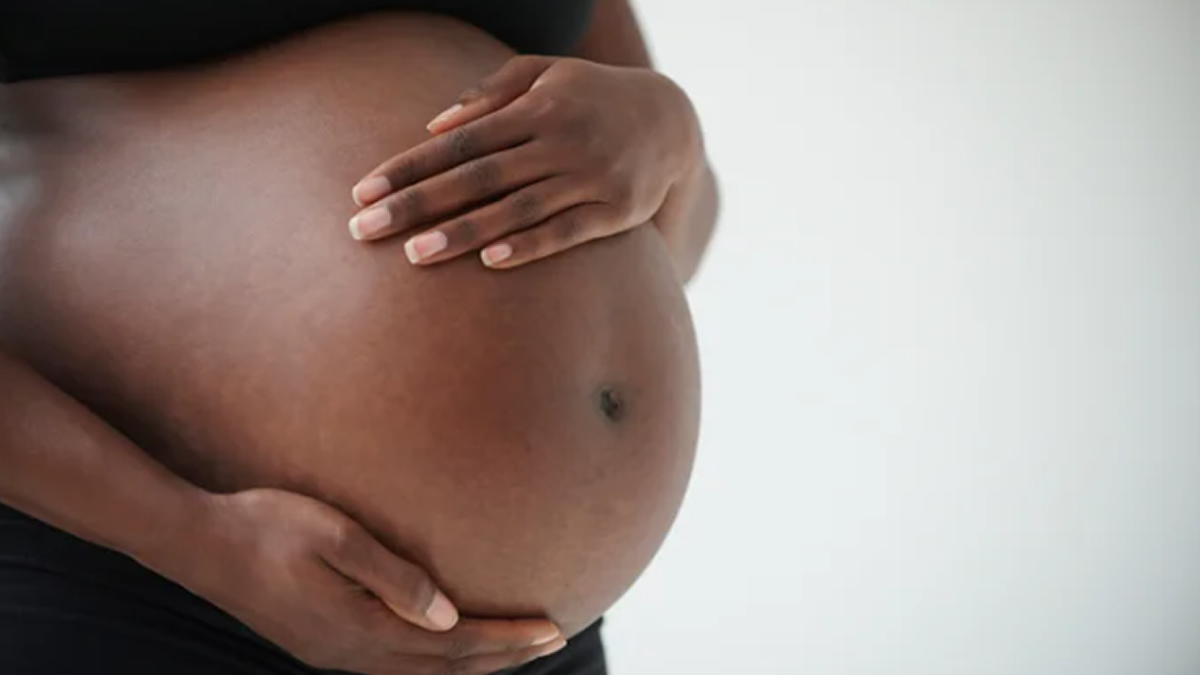
The U.S. Department of State has issued a stern warning urging foreigners to refrain from traveling to the United States solely for the purpose of giving birth in order to obtain citizenship for their newborn children. The advisory makes it clear that such “birth tourism” could lead to visa denials and other immigration consequences.
Birth tourism is the practice of traveling to another country to deliver a baby so that the child automatically acquires citizenship upon birth. In the United States, the 14th Amendment grants citizenship to anyone born on American soil, irrespective of their parents’ nationality or immigration status. This legal provision has made the country a destination for families seeking citizenship rights for their children.
In recent years, birth tourism has gained international attention as its prevalence has risen. Estimates by immigration analysts suggest that several thousand pregnant women each year travel to the U.S. for this purpose, with some seeking to secure educational, healthcare, and economic advantages for their children later in life. Though exact figures are difficult to verify, industry observers say that the trend has grown steadily, particularly among affluent families from parts of Asia and the Middle East.
U.S. authorities say that the practice places added pressure on healthcare resources and raises concerns about immigration enforcement. Hospitals in states with high birth tourism numbers, including California, New York, and Texas, have reported cases where mothers arrive late in pregnancy, complicating medical planning and billing.
In its warning, the Department of State emphasized that consular officers reviewing visa applications now have greater discretion to question applicants about their intentions. Applicants who the Department believes may be planning to travel to the U.S. to give birth could have their visas denied or face additional scrutiny. The statement also noted that misrepresenting travel intentions on visa applications could have long-term consequences for future entry into the United States.
“We will deny your visa if we believe your primary purpose of travel is to give birth in the United States to get U.S. citizenship for your child. This is not permitted.” the statement read.
The new warning reflects a broader shift in U.S. policy toward tightening entry requirements and discouraging misuse of the visa system. Proponents believe that curbing birth tourism is necessary to protect the integrity of the U.S. immigration system and reduce incentives for exploitation.
They also note that children born abroad can still acquire U.S. citizenship if their parents immigrate legally and meet residency requirements, a pathway that avoids what authorities view as manipulation of visitor visas.
However, some civil liberties advocates caution against broad assumptions about pregnant travelers. They argue that not all pregnant women visiting the U.S. intend to use the citizenship provision, and that access to healthcare and legal protections must remain balanced with enforcement. Nonetheless, the Department of State’s advisory marks an important policy clarification in how birth tourism is viewed by U.S. immigration authorities.
Source: Diplomatic Times
Related Posts