26.8 percent of pregnant women has postpartum depression – Specialist
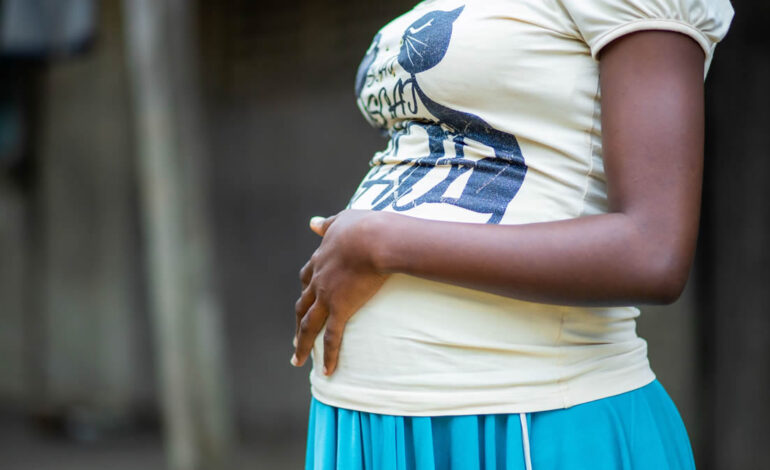
Dr Elsie Abakisi, Senior Specialist at the Department of Psychiatry at the Tamale Teaching Hospital has called for vigorous intervention strategies to control the surging trend of depression among pregnant women and nursing mothers.
She said research showed that 26.8 percent pregnant women had Postpartum Depression (PPD), saying: “That is quite scary because it means 1 in every four women has the condition”.
Postpartum Depression (PPD), according to medicine is a type of depression that begins after birth and involves strong feelings of sadness, anxiety (worry) and tiredness (fatigue)
Dr Abakisi disclosed this in an interview with the media in Sunyani on the sidelines of a day’s training on the: “Strengthening community health systems to enhance integrated people-centred HIV, TB, SRH and MHPSS for vulnerable women and adolescents in Ghana” project.
The BasicNeeds-Ghana, a Non-Governmental Organisation in collaboration with the Christian Health Association of Ghana (CHAG), Centre for People’s Empowerment and Rights Initiatives (CPRI) and the Mental Health Society of Ghana (MEHSOG) is implementing the project.
With funding from the L’Initiative, the Ghana Health Service (GHS), Ghana Mental Health Authority (MHA), Global Fund (GF), Ghana Country Coordinating Mechanism (CCM) and the Ghana AIDS Commission are the key collaborators of the 36-months project.
Dr Abakisi mentioned recurring intimate partner violence and poverty as the common risk factors of the PPD, saying women who had other underlying conditions like HIV and AIDS as well as Tuberculosis (TB) were also prone to the condition.
She said intensified public education remained a key strategy to tackle violence against women and to bring the PPD under control, and called for a collective approach.
Dr Abakisi regretted that most women with PPD condition normally failed to breastfeed their babies, saying behaviour impeded the holistic growth and development of children.
“Some of those children grow and it becomes difficult for them to interact with and bond with people and even some of them also grow to become very aggressive.
Even some of these children have delay in speeches and languages and generally they have poor performance in school”, she stated.
“So, you can see that there is a mirage of issues and we must all come together and bring the situation under control”, Dr Abakisi appealed.
Throwing more light on the project, Mr Dokurugu Yahaya, the Head of Programmes, BasicNeeds-Ghana said the project was being implemented in seven regions in 27 communities spread across 14 districts and municipalities nationwide.
They include Northern, North East, Savannah, Upper East, Upper West, Bono and Greater Accra Region.
Mr Yahaha explained that the main objective of the project is to improve maternal and child health outcomes for the poorest and most vulnerable women and girls in the country.
It has the specific objectives of strengthening community systems to deliver integrated, people-centered HIV, TB, Sexual Reproductive Health (SRH) and mental health and psychosocial support services (MHPSS) during the peripartum period for women and adolescent girls living or at risk of HIV.
The project further sought to address gender-based differences and inequality in access to healthcare services and health status among pregnant and postpartum women and adolescent girls living with or at risk of HIV.
By Dennis Peprah
Related Posts