

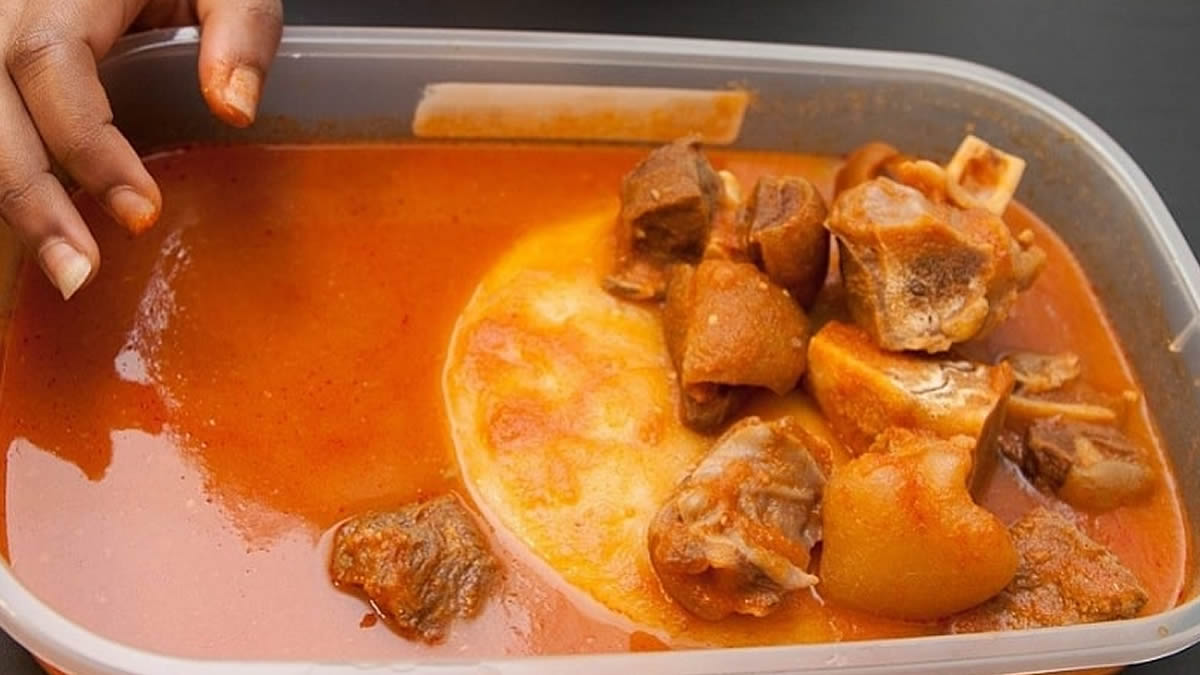
Ghana is endowed with rich cultural diversity, fertile lands, and a wide array of nutritious indigenous foods that have sustained generations for centuries.
From akple, banku, fufu, kenkey, tuo zaafi, ampesi, waakye, and kokonte to a variety of local soups, vegetables, and traditional spices, Ghanaian cuisine remains naturally nourishing and deeply connected to the identity of its people.
Unfortunately, many Ghanaians, especially the younger generation, are gradually shifting from traditional cuisines to foreign and highly processed Western foods.
While modernization has brought changes in lifestyle, Ghana must not lose the value of its indigenous foods and food culture.
Health Benefits of Indigenous Foods
Most traditional Ghanaian meals are prepared from fresh and natural ingredients such as cassava, maize, yam, plantain, millet, cocoyam, beans, vegetables, fish, and local spices. These foods contain essential nutrients, fiber, vitamins, and minerals that support healthy living.
Unlike many Western fast foods that contain excessive sugar, unhealthy fats, preservatives, and chemicals, Ghanaian indigenous foods help maintain strong bodies and reduce the risk of diseases such as diabetes, hypertension, obesity, and heart-related illnesses.
Foods like kontomire stew, palm nut soup, groundnut soup, and okro soup provide balanced nutrition and strengthen the immune system naturally.
Indigenous Foods Preserve Ghanaian Culture
Food is an important part of Ghanaian identity and tradition. Every ethnic group in the country has unique dishes that reflect its history and culture.
The Ewes are known for akple and fetri detsi, the Ashantis for fufu and light soup, the Gas for kenkey and fish, while northern communities are recognised for tuo zaafi and millet-based meals.
Traditional foods are central to festivals, funerals, marriages, and family gatherings. They bring people together and preserve customs handed down from one generation to another. Losing these foods means losing part of nation’s cultural heritage.
Indigenous Foods Support Ghanaian Farmers and Businesses
When Ghanaians consume local foods, they support farmers, fishermen, market women, food vendors, and local industries. This helps create employment and strengthens the Ghanaian economy.
Depending heavily on imported foods weakens local agriculture and increases economic pressure on the country.
Ghana has fertile land capable of producing enough food for its people. Promoting indigenous foods will encourage agricultural growth, reduce unemployment, and improve food security.
Ghanaian Foods are more Affordable and Accessible
Many local foods are affordable and easily available across the country. Cassava, yam, maize, beans, millet, and vegetables can be grown in many parts of Ghana with less cost. Encouraging local food consumption can help reduce hunger and improve nutrition among families.
Instead of spending heavily on imported foods and foreign fast-food chains, Ghanaians should appreciate and invest in locally prepared meals that are both nutritious and economical.
Indigenous Knowledge must be Preserved
Our ancestors understood the nutritional and medicinal value of many local foods and herbs. Traditional Ghanaian diets included healthy combinations of vegetables, spices, and natural ingredients that protected people from diseases and promoted long life.
Today, many young people are abandoning these healthy traditions for processed foods that often affect their health negatively. Ghana must preserve this indigenous knowledge for future generations.
Changing the Mindset of the Youth
Many young people see Western foods as a sign of class and modernity, while looking down on local dishes. This mindset must change. There is dignity and pride in eating Ghanaian food.
Local meals should be promoted in schools, homes, restaurants, media platforms, and national events. Ghanaian chefs, traditional leaders, and cultural organizations should continue to educate the public on the value of indigenous foods.
Conclusion
Ghanaian indigenous foods are healthier, culturally rich, economically beneficial, and environmentally friendly. They are part of the nation’s identity and heritage. While foreign foods may have their place, Ghanaians must not abandon the traditional meals that nourished generations before us.
We as a people must proudly preserve and promote our indigenous foods for the health of the people, the growth of local agriculture, and the protection of our cultural identity.
By embracing our traditional meals, we strengthen our nation and preserve the wisdom of our ancestors.
By Mamaga Ametor Hoebuadzu II
Source: GNA
Related Posts