Autism Awareness: Mulan Neurodiversity School calls for greater inclusion and gov’t action
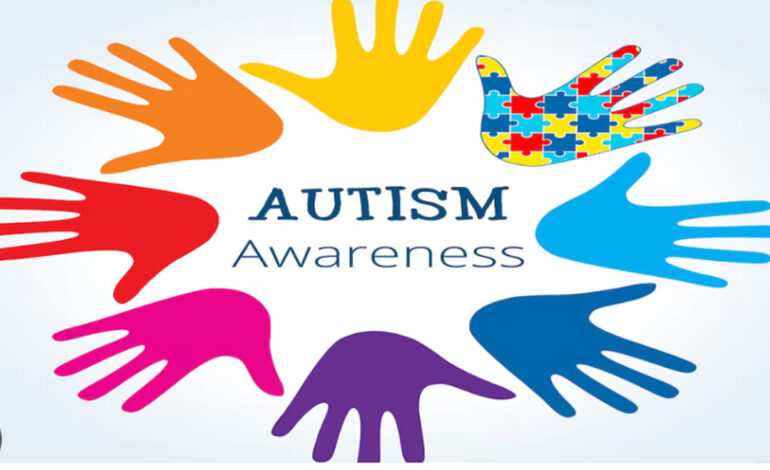
Mulan Neurodiversity School in Accra, in collaboration with the National Assessment and Resource Centre, has organised an autism screening and awareness, calling for greater inclusion, early intervention, and government support for children with developmental and learning challenges.
The initiative, held as part of the Autism Awareness Month, focused on screening children and providing professional assessments to support early diagnosis and intervention.
It was on the theme: “Embracing Differences, Empowering Every Ability.”
Autism, or Autism Spectrum Disorder, is a lifelong neurodevelopmental condition that affects communication, behaviour, and social interaction. Because it exists on a spectrum, individuals experience it differently.
Some require significant support, while others are able to live independently.
Mrs Thara Brigitte Mills Simmonds, the Chief Executive Officer of Mulan Neurodiversity School and an autism advocate, said the initiative was a step toward reducing stigma, improving access to care, and ensuring that every child, regardless of ability, had the opportunity to learn and thrive.
She emphasised that having a child with autism or any special need should not be viewed as a limitation.
“Having an autistic child does not mean that is the end of the child. It only means we must find the right support system,” she said.
The exercise brought together a team of specialists, including speech and language therapists, occupational therapists, behavioural technicians, and special educators, who conducted early assessments and developed Individualised Educational Plans (IEPs) for affected children.
Mrs Simmonds noted that the programme also prioritised parental counselling, stressing the critical role parents played in the development of children with special needs.
“Everything starts with the parents. They must be strong and positive. It is not for them to hide their children because of societal judgment, but to seek help and support,” she added.
As part of the intervention, the school donated sensory and learning materials, including toys and wheelchairs, to the National Assessment and Resource Centre to support ongoing therapy, particularly for children with mobility challenges.
She urged schools to embrace inclusive education instead of turning away children with special needs.
“Disability can happen to anyone at any time. Schools must build capacity to support these children. Exclusion is discrimination, and it denies other children the opportunity to learn empathy,” she stressed.
Mrs Simmonds called on policymakers to prioritise disability issues in national planning and ensure effective implementation of policies.
Hajia Ramatu Alhassan, Head of the National Assessment and Resource Centre, expressed appreciation for the support, noting that the wheelchairs would greatly assist children with mobility challenges.
She highlighted the wide range of conditions addressed at the Centre, including autism, cerebral palsy, hearing and visual impairments, speech delays, and learning disabilities such as dyslexia, dysgraphia, and dyscalculia.
Hajia Ramatu said although the Centre provided screening, diagnosis, counselling, and school placement services, it faced significant challenges, including limited resources and a shortage of specialised professionals such as psychiatrists, optometrists, and ENT specialists.
As a result, many cases were referred to external facilities, she noted, and appealed to government, corporate bodies, individuals, and philanthropists to support the Centre to enhance its operations.
Madam Debora Dzakpasu, a parent of a child with autism, called on the government to provide support for parents and guardians to enable them to cater effectively for children with special needs.
She noted that some parents were unable to work due to the level of care required.
Source: GNA
Related Posts